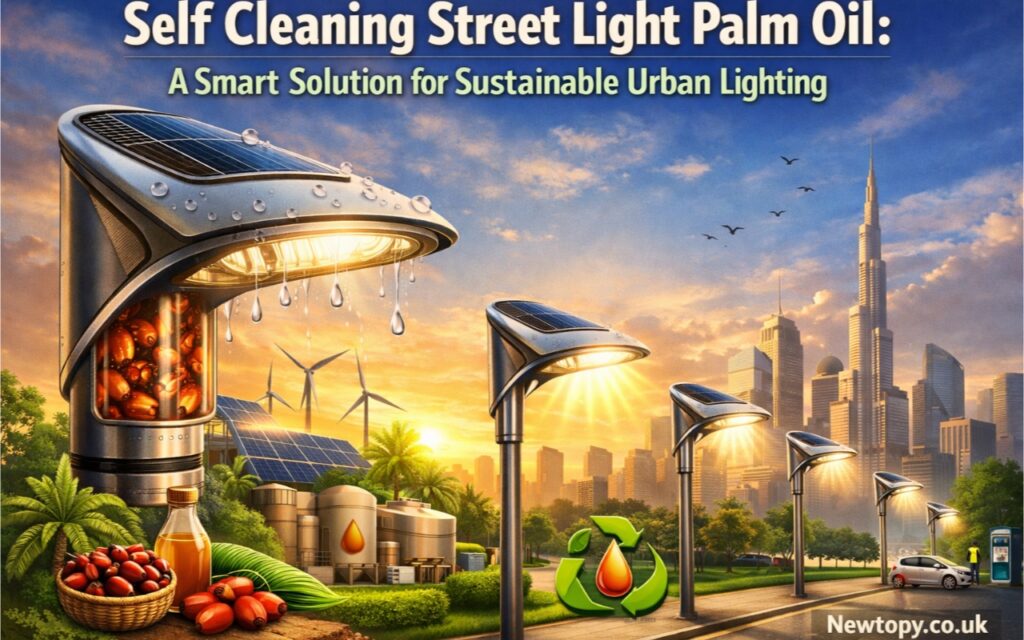

Urban development is evolving rapidly, and cities across the globe are looking for smarter, cleaner, and more sustainable solutions to meet growing infrastructure demands. One such innovation gaining attention is the concept of the self cleaning street light palm oil system. Combining renewable energy principles, eco-friendly materials, and smart maintenance technology, this approach represents a significant step forward in modern urban lighting.
In this detailed guide, we will explore everything you need to know about self cleaning street light palm oil systems—how they work, their benefits, challenges, real-world applications, and their role in shaping future smart cities.
Understanding Self Cleaning Street Light Palm Oil Technology
The concept of a self cleaning street light palm oil system may sound complex at first, but it essentially blends three innovative ideas: automated cleaning mechanisms, energy-efficient lighting systems, and the use of palm oil-based materials or biofuels.
Traditional street lights require regular maintenance, especially cleaning, as dust, pollution, and weather conditions reduce their efficiency over time. A self-cleaning system eliminates this need by using automated mechanisms such as rotating brushes, hydrophobic coatings, or air-blowing systems to keep the light surface clean.
The palm oil component introduces sustainability into the system. Palm oil derivatives can be used in biofuels for energy generation or in eco-friendly coatings and lubricants that support the cleaning mechanism. This combination creates a system that is not only efficient but also environmentally responsible.
How Self Cleaning Mechanisms Improve Street Light Efficiency
Street lights often lose efficiency due to dirt accumulation, especially in urban areas with high pollution levels. Dust and grime can reduce light output significantly, leading to poor illumination and increased energy consumption.
Self-cleaning street lights address this issue through innovative technologies. Some systems use micro-brushes that periodically sweep the light surface, while others rely on water-repellent coatings that prevent dirt from sticking. Advanced models may include sensors that detect when cleaning is needed, triggering automated maintenance cycles.
In the case of a self cleaning street light palm oil system, palm oil-based lubricants ensure smooth operation of moving parts, reducing wear and tear. This results in longer-lasting equipment and consistent lighting performance, making streets safer and more energy-efficient.
The Role of Palm Oil in Sustainable Lighting Solutions
Palm oil is widely known for its applications in food and cosmetics, but it also plays a growing role in renewable energy and industrial innovation. In street lighting systems, palm oil can be utilized in several ways.
One key application is as a biofuel. Palm oil can be processed into biodiesel, which can power generators for street lighting, especially in areas without reliable electricity. This reduces dependence on fossil fuels and lowers carbon emissions.
Additionally, palm oil derivatives are used in eco-friendly coatings and lubricants. These materials are biodegradable and less harmful to the environment compared to synthetic alternatives. In a self cleaning street light palm oil system, this ensures that both the energy source and the maintenance mechanism are sustainable.
Environmental Benefits of Self Cleaning Street Light Palm Oil Systems
One of the biggest advantages of this technology is its positive impact on the environment. Traditional street lighting systems often require frequent maintenance, which involves water usage, chemical cleaners, and manual labor.
Self-cleaning systems eliminate the need for chemical cleaning agents, reducing pollution. When combined with palm oil-based biofuels or materials, the environmental footprint is further minimized.
Moreover, these systems improve energy efficiency. Clean light surfaces emit brighter illumination, reducing the need for higher power consumption. When powered by renewable energy sources such as solar panels or palm oil biodiesel, the system becomes even more eco-friendly.
This makes the self cleaning street light palm oil solution an ideal choice for cities aiming to reduce their carbon footprint and promote green infrastructure.
Cost Efficiency and Long-Term Savings
While the initial investment in self-cleaning street lights may be higher than traditional systems, the long-term savings are substantial. Maintenance costs are significantly reduced because the need for manual cleaning is eliminated.
Labor costs, water usage, and cleaning materials are minimized, resulting in lower operational expenses. Additionally, the use of palm oil-based lubricants extends the lifespan of mechanical components, reducing the need for replacements.
Energy savings also play a crucial role. Cleaner lights operate more efficiently, requiring less power to achieve the same level of brightness. When combined with renewable energy sources, this can lead to significant cost reductions over time.
For municipalities and governments, investing in self cleaning street light palm oil systems is a financially sound decision that pays off in the long run.
Applications in Smart Cities and Urban Development
Smart cities rely on advanced technologies to improve efficiency, sustainability, and quality of life. Street lighting is a critical component of this infrastructure, and self-cleaning systems fit perfectly into the smart city model.
These systems can be integrated with sensors, IoT (Internet of Things) devices, and smart grids. For example, street lights can adjust brightness based on traffic conditions or weather, further enhancing energy efficiency.
The addition of palm oil-based solutions adds another layer of sustainability. Cities can reduce their reliance on non-renewable energy sources while maintaining high-performance lighting systems.
In developing regions, where access to electricity may be limited, self cleaning street light palm oil systems powered by biodiesel offer a practical and reliable solution for public lighting.
Challenges and Limitations of the Technology
Despite its many benefits, the self cleaning street light palm oil system is not without challenges. One of the primary concerns is the environmental impact of palm oil production. Unsustainable palm oil farming can lead to deforestation and loss of biodiversity.
To address this issue, it is essential to use sustainably sourced palm oil certified by environmental organizations. This ensures that the benefits of the technology are not overshadowed by negative environmental consequences.
Another challenge is the initial cost of implementation. Advanced self-cleaning mechanisms and renewable energy components can be expensive. However, as technology advances and adoption increases, these costs are expected to decrease.
Maintenance of the cleaning mechanism itself can also be a concern. While the system reduces manual cleaning, it still requires occasional inspection to ensure optimal performance.
Technological Innovations Driving the Future
The future of self-cleaning street lighting is bright, with ongoing innovations making these systems more efficient and accessible. Researchers are exploring advanced materials such as nano-coatings that repel dirt and water more effectively than traditional coatings.
Artificial intelligence and machine learning are also being integrated into smart lighting systems. These technologies can analyze environmental conditions and optimize cleaning cycles and energy usage.
In the context of self cleaning street light palm oil, advancements in biofuel production are making palm oil-based energy more sustainable and efficient. New processing techniques are reducing waste and improving energy output, making biodiesel a more viable alternative to fossil fuels.
These innovations are paving the way for widespread adoption of this technology in cities around the world.
Real-World Examples and Case Studies
Several cities and organizations are already experimenting with self-cleaning street lighting systems. In regions with high dust levels, such as desert areas, these systems have proven particularly effective.
Pilot projects have shown that self-cleaning lights can maintain up to 95% of their original brightness, compared to traditional lights that may drop significantly due to dirt accumulation.
In rural areas, palm oil-based biodiesel has been used to power street lights, providing reliable illumination in off-grid locations. These projects highlight the versatility and practicality of the self cleaning street light palm oil concept.
As more cities adopt this technology, it is expected to become a standard feature in modern urban infrastructure.
The Future of Sustainable Urban Lighting
The demand for sustainable solutions is growing as cities face challenges related to climate change, population growth, and resource scarcity. Street lighting, being a critical component of urban infrastructure, must evolve to meet these demands.
The self cleaning street light palm oil system represents a holistic approach to sustainable lighting. It combines energy efficiency, reduced maintenance, and eco-friendly materials into a single solution.
As technology continues to advance, these systems will become more affordable and accessible, making them a viable option for cities of all sizes. Governments, businesses, and communities must work together to promote and adopt such innovations.
Conclusion
The concept of self cleaning street light palm oil is more than just a technological innovation—it is a step toward a cleaner, greener, and more efficient future. By integrating self-cleaning mechanisms with sustainable palm oil-based solutions, this system addresses multiple challenges faced by modern urban environments.
From reducing maintenance costs to minimizing environmental impact, the benefits are undeniable. While there are challenges to overcome, particularly in ensuring sustainable palm oil sourcing, the potential of this technology far outweighs its limitations.
As cities continue to grow and evolve, adopting smart and sustainable solutions like self-cleaning street lights will be essential. The future of urban lighting lies in innovation, and the self cleaning street light palm oil system is leading the way.