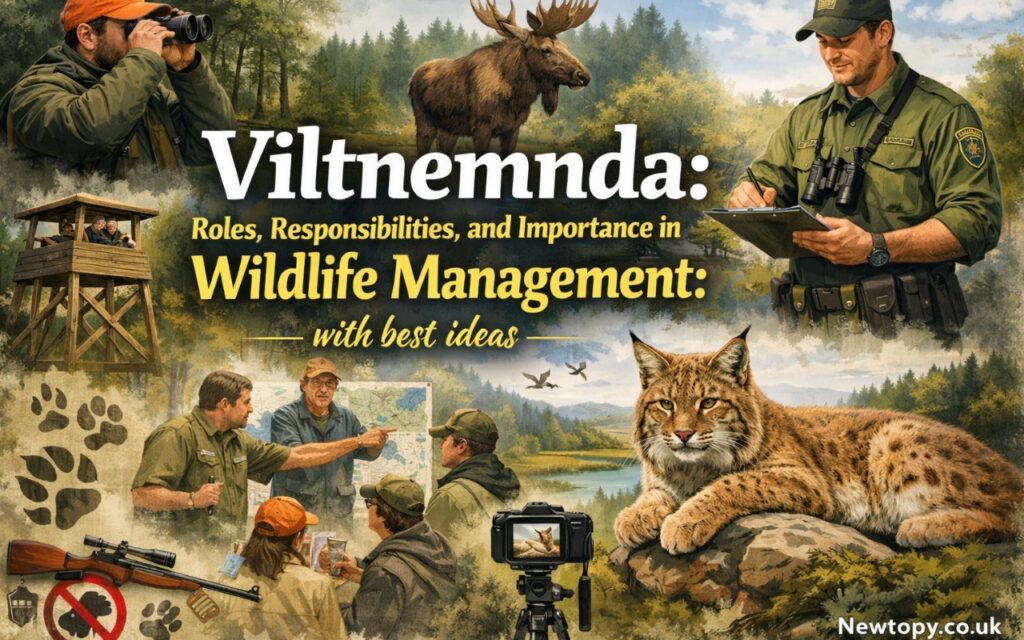

Wildlife management plays a crucial role in maintaining ecological balance, protecting biodiversity, and ensuring sustainable use of natural resources. Among the many institutions that contribute to this effort, viltnemnda stands out as an essential local governance body. While not widely known outside specific regions, particularly in Nordic countries, viltnemnda has a profound impact on wildlife policies, conservation practices, and hunting regulations at the municipal level.
In this comprehensive guide, we will explore what viltnemnda is, how it operates, and why it is vital in modern wildlife management systems. Whether you are a student, researcher, environmental enthusiast, or simply curious about governance structures in conservation, this article will provide valuable insights.
What Is Viltnemnda? An Overview
Viltnemnda refers to a local wildlife management committee typically established within municipalities. Its primary purpose is to oversee wildlife-related matters, including conservation, hunting regulation, and population control of wild species. These committees act as intermediaries between national environmental policies and local implementation.
The concept of viltnemnda is rooted in decentralized governance, where decision-making authority is distributed to local bodies that better understand the specific ecological and social contexts of their regions. Instead of relying solely on central government agencies, viltnemnda empowers municipalities to take responsibility for managing wildlife sustainably.
Members of viltnemnda are usually appointed by local authorities and may include individuals with expertise in ecology, hunting, forestry, and environmental policy. Their collective knowledge ensures that decisions are informed, balanced, and aligned with both conservation goals and community needs.
The Historical Background of Viltnemnda
The establishment of viltnemnda is closely tied to the evolution of wildlife management policies in Europe, particularly in countries like Norway. Historically, wildlife management was often unregulated, leading to overhunting and declining animal populations. As awareness grew about the importance of conservation, governments began to implement structured policies and institutions.
Viltnemnda emerged as part of this shift toward sustainable resource management. By delegating responsibilities to local committees, authorities aimed to create a more responsive and adaptive system. These committees could address region-specific challenges such as habitat loss, human-wildlife conflict, and fluctuating animal populations.
Over time, viltnemnda has evolved to incorporate modern conservation principles, including biodiversity protection, ecosystem management, and climate change adaptation. Today, it represents a blend of traditional knowledge and scientific approaches, making it a cornerstone of effective wildlife governance.
Key Roles of Viltnemnda in Wildlife Management
Viltnemnda performs a wide range of functions that are essential for maintaining ecological balance. One of its primary roles is to monitor wildlife populations. By collecting data on species distribution, population size, and migration patterns, the committee can make informed decisions about conservation strategies.
Another critical role is regulating hunting activities. Viltnemnda sets quotas, determines hunting seasons, and ensures that hunting practices are sustainable and ethical. This helps prevent overexploitation while allowing communities to benefit from natural resources.
In addition to these responsibilities, viltnemnda also addresses human-wildlife conflicts. For example, if certain species pose a threat to agriculture or public safety, the committee may implement measures such as controlled culling or relocation. These actions are carefully planned to minimize harm to ecosystems.
Furthermore, viltnemnda plays an advisory role, providing recommendations to local governments and collaborating with national agencies. This ensures that local perspectives are considered in broader policy decisions.
Responsibilities and Legal Authority of Viltnemnda
Viltnemnda operates within a legal framework that defines its authority and responsibilities. These laws vary by country but generally grant the committee the power to make decisions related to wildlife management at the municipal level.
One of the key responsibilities of viltnemnda is to enforce hunting regulations. This includes issuing permits, monitoring compliance, and taking action against violations. By ensuring that rules are followed, the committee helps maintain sustainable wildlife populations.
Viltnemnda is also responsible for implementing national conservation policies locally. This involves translating broad guidelines into specific actions that address local conditions. For example, if a national policy aims to protect endangered species, viltnemnda may develop targeted conservation programs within its municipality.
Additionally, the committee often manages funding and resources for wildlife initiatives. This includes allocating budgets for research, conservation projects, and public awareness campaigns. Effective resource management is essential for achieving long-term sustainability goals.
Viltnemnda and Hunting Regulations
Hunting is a significant aspect of wildlife management, and viltnemnda plays a central role in regulating this activity. The committee establishes rules that ensure hunting is conducted responsibly and does not threaten the survival of species.
One of the most important tools used by viltnemnda is the setting of hunting quotas. These quotas are based on scientific data and are designed to maintain stable population levels. By limiting the number of animals that can be hunted, the committee prevents overharvesting.
Viltnemnda also determines hunting seasons, taking into account factors such as breeding periods and migration patterns. This ensures that hunting does not disrupt critical stages in the life cycle of animals.
Moreover, the committee promotes ethical hunting practices by providing guidelines and education to hunters. This includes training on proper techniques, safety measures, and respect for wildlife. Through these efforts, viltnemnda helps foster a culture of responsible hunting.
The Role of Viltnemnda in Conservation and Biodiversity
Conservation is at the heart of viltnemnda’s mission. The committee works to protect biodiversity by preserving habitats, supporting endangered species, and maintaining ecological balance.
One of the key strategies used by viltnemnda is habitat management. This involves protecting natural areas, restoring degraded ecosystems, and ensuring that wildlife has access to food, water, and shelter. Healthy habitats are essential for sustaining diverse species.
Viltnemnda also plays a role in monitoring and protecting endangered species. By identifying at-risk populations and implementing conservation measures, the committee helps prevent extinction and promote recovery.
In addition, viltnemnda collaborates with environmental organizations, researchers, and government agencies to develop and implement conservation programs. These partnerships enhance the effectiveness of conservation efforts and ensure that they are based on the latest scientific knowledge.
How Viltnemnda Supports Local Communities
While viltnemnda focuses on wildlife management, its work also has significant benefits for local communities. By promoting sustainable use of natural resources, the committee helps support livelihoods and economic development.
For example, regulated hunting can provide income and food for local residents while maintaining ecological balance. Similarly, conservation efforts can boost tourism by attracting visitors interested in nature and wildlife.
Viltnemnda also addresses conflicts between humans and wildlife, which can have economic and social impacts. By implementing measures to reduce damage to crops, livestock, and property, the committee helps protect community interests.
Furthermore, viltnemnda engages with the public through education and outreach programs. These initiatives raise awareness about the importance of conservation and encourage community participation in wildlife management.
Challenges Faced by Viltnemnda
Despite its important role, viltnemnda faces several challenges. One of the most significant is balancing conservation goals with economic and social interests. For example, decisions about hunting quotas or species protection can sometimes lead to conflicts among stakeholders.
Another challenge is the impact of climate change. Changing weather patterns, habitat loss, and shifting ecosystems can make wildlife management more complex. Viltnemnda must adapt its strategies to address these evolving conditions.
Limited resources and funding can also hinder the effectiveness of the committee. Managing wildlife requires significant investment in research, monitoring, and enforcement. Without adequate support, it can be difficult to achieve desired outcomes.
Additionally, viltnemnda must navigate legal and administrative complexities. Coordinating with multiple agencies and complying with regulations can be time-consuming and challenging.
The Future of Viltnemnda in Wildlife Governance
As environmental challenges continue to grow, the role of viltnemnda is becoming increasingly important. The committee’s ability to adapt to changing conditions and incorporate new technologies will be key to its success.
One promising development is the use of advanced data collection methods, such as satellite tracking and remote sensing. These tools can provide more accurate and timely information about wildlife populations and habitats.
Viltnemnda is also likely to play a greater role in addressing global issues such as climate change and biodiversity loss. By integrating local actions with international conservation efforts, the committee can contribute to broader environmental goals.
Furthermore, increased collaboration with communities, researchers, and organizations will enhance the effectiveness of viltnemnda. By fostering partnerships and sharing knowledge, the committee can develop innovative solutions to complex challenges.
Why Viltnemnda Matters Today
In today’s world, where environmental issues are becoming more urgent, institutions like viltnemnda are more important than ever. By combining local knowledge with scientific expertise, the committee provides a practical and effective approach to wildlife management.
Viltnemnda ensures that natural resources are used sustainably, protecting ecosystems for future generations. It also helps maintain a balance between human activities and the natural environment, which is essential for long-term well-being.
Moreover, the committee’s work highlights the importance of community involvement in conservation. By engaging local stakeholders and promoting shared responsibility, viltnemnda creates a sense of ownership and commitment to environmental protection.
Ultimately, viltnemnda represents a model of governance that is both inclusive and effective. Its contributions to wildlife management demonstrate the value of decentralized decision-making and collaborative approaches.
Conclusion
Viltnemnda plays a vital role in wildlife management by bridging the gap between national policies and local implementation. Through its responsibilities in monitoring wildlife, regulating hunting, conserving biodiversity, and supporting communities, it ensures a balanced and sustainable approach to managing natural resources.
Despite facing challenges such as climate change and resource limitations, viltnemnda continues to adapt and evolve. Its importance in modern conservation efforts cannot be overstated, as it provides a framework for effective and inclusive governance.
As we look to the future, strengthening institutions like viltnemnda will be essential for addressing environmental challenges and protecting the planet’s biodiversity. By understanding and supporting its work, we can contribute to a more sustainable and harmonious relationship with nature.