Cooking Falotani: A Complete Guide to This Unique Traditional Dish
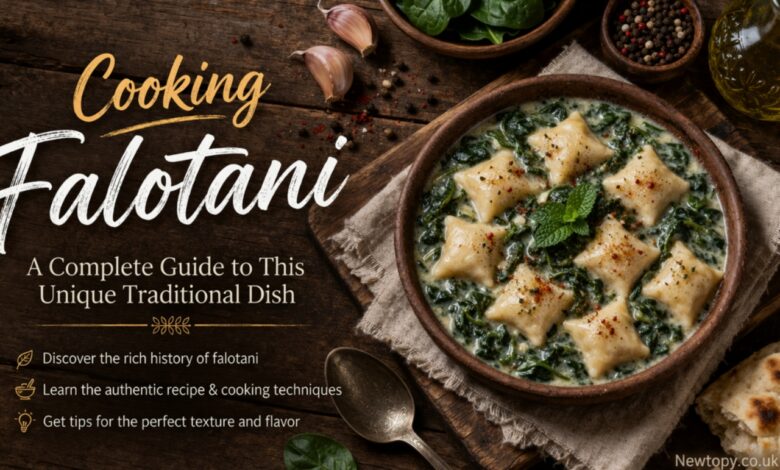
Cooking falotani is more than just preparing a meal—it’s about embracing tradition, flavor, and a culinary experience that connects generations. Whether you’ve heard about falotani from family traditions or recently discovered it online, learning the art of cooking falotani can open the door to a rich and satisfying food culture. This guide will walk you through everything you need to know, from its origins to ingredients, step-by-step preparation, variations, and expert tips to help you master this dish at home.
What Is Falotani and Why Is It Special?
Falotani is a traditional dish known for its rich flavors, unique preparation method, and cultural importance. While not as globally recognized as some mainstream dishes, falotani holds a special place in the communities where it is prepared. The beauty of cooking falotani lies in its balance of simple ingredients and complex taste. It often combines grains, spices, and locally available ingredients into a wholesome and comforting meal.
What makes falotani truly special is its versatility. Depending on the region or household, the recipe can vary significantly. Some versions focus on savory flavors with aromatic spices, while others may include subtle sweetness or tangy undertones. This adaptability allows falotani to evolve while still maintaining its traditional roots. Cooking falotani is often associated with family gatherings, festive occasions, and shared meals, making it not just food but an experience.
The Cultural Significance of Cooking Falotani
Cooking falotani is deeply rooted in tradition and community life. In many cultures, preparing this dish is not a solo activity but a shared experience. Families gather in kitchens, passing down recipes from one generation to the next. The process itself becomes a way of preserving heritage and strengthening bonds.
Falotani is often served during special occasions such as celebrations, festivals, or family gatherings. Its preparation may involve rituals or specific techniques that reflect cultural values and traditions. Cooking falotani is not just about taste—it’s about honoring history, showcasing culinary skills, and creating moments of togetherness.
In modern times, as people seek to reconnect with traditional foods, falotani is gaining renewed interest. Home cooks and food enthusiasts are exploring its roots and experimenting with new variations, ensuring that this unique dish continues to thrive in contemporary kitchens.
Essential Ingredients for Cooking Falotani
The foundation of cooking falotani lies in its ingredients. While recipes may vary, there are some core components that are commonly used. These typically include grains such as rice, wheat, or lentils, which form the base of the dish. Spices play a crucial role, adding depth and aroma to the final result.
Common spices used in cooking falotani may include turmeric, cumin, coriander, and chili powder. These spices not only enhance flavor but also contribute to the dish’s vibrant color. Fresh ingredients like onions, garlic, and herbs are often added to elevate the taste further.
In some variations, proteins such as meat, chicken, or legumes are included, making falotani a complete and nutritious meal. The choice of ingredients often depends on availability and personal preference, allowing for endless customization. Cooking falotani with fresh, high-quality ingredients is key to achieving the best results.
Step-by-Step Guide to Cooking Falotani
Cooking falotani may seem complex at first, but breaking it down into simple steps makes the process manageable and enjoyable. Start by preparing your ingredients—wash and chop vegetables, measure spices, and cook any grains or proteins that require pre-cooking.
Begin by heating oil in a pan and sautéing onions until they become golden brown. Add garlic and spices, allowing them to release their aroma. This step is crucial as it forms the flavor base of the dish. Next, incorporate your main ingredients, such as grains or protein, and mix well to ensure even coating with the spices.
Gradually add water or broth and let the mixture simmer. This allows the flavors to blend and the ingredients to cook thoroughly. Stir occasionally to prevent sticking and ensure even cooking. Once the dish reaches the desired consistency, garnish with fresh herbs and serve hot.
Cooking falotani requires patience and attention to detail, but the end result is a flavorful and satisfying dish that is well worth the effort.
Different Variations of Falotani Recipes
One of the most exciting aspects of cooking falotani is exploring its variations. Different regions and families have their own unique twists on the dish. Some versions emphasize bold and spicy flavors, while others are milder and more aromatic.
Vegetarian falotani is a popular option, featuring a mix of vegetables and legumes. This version is not only delicious but also healthy and suitable for a wide range of dietary preferences. On the other hand, meat-based falotani includes chicken, beef, or lamb, adding richness and depth to the dish.
There are also modern adaptations that incorporate contemporary ingredients or cooking techniques. For example, some recipes use pressure cookers or slow cookers to simplify the process. Others experiment with fusion flavors, blending traditional falotani with international cuisines.
Exploring these variations allows you to find a version that suits your taste and cooking style, making the experience of cooking falotani even more enjoyable.
Tips for Perfect Cooking Falotani Every Time
Achieving perfection in cooking falotani requires attention to detail and a few expert tips. First, always use fresh ingredients, as they significantly impact the flavor of the dish. Properly measuring spices ensures a balanced taste without overpowering any single element.
Cooking at the right temperature is also crucial. Too high a heat can burn the spices, while too low a heat may result in undercooked ingredients. Maintaining a steady simmer allows the flavors to develop fully.
Another important tip is to taste the dish as you cook. This helps you adjust seasoning and achieve the desired flavor profile. Finally, allow the dish to rest for a few minutes before serving, as this enhances the overall taste and texture.
By following these tips, you can elevate your falotani from good to exceptional.
Health Benefits of Cooking Falotani
Cooking falotani is not only about flavor but also about nutrition. The dish often includes a variety of wholesome ingredients such as grains, vegetables, and proteins, making it a balanced meal. The use of spices like turmeric and cumin adds not only taste but also potential health benefits.
Falotani can be a great source of energy, especially when prepared with nutrient-rich ingredients. It can be tailored to suit different dietary needs, whether you prefer a high-protein meal or a vegetarian option. Cooking falotani at home also allows you to control the quality and quantity of ingredients, making it a healthier alternative to processed foods.
Incorporating falotani into your diet can contribute to overall well-being while providing a satisfying and delicious meal.
Common Mistakes to Avoid When Cooking Falotani
Even experienced cooks can make mistakes when preparing falotani. One common error is using too many spices, which can overpower the dish and mask its natural flavors. It’s important to maintain a balance and let each ingredient shine.
Another mistake is not cooking the base ingredients properly. Undercooked grains or overcooked vegetables can affect the texture and overall quality of the dish. Paying attention to cooking times and methods is essential.
Skipping the step of sautéing spices is another pitfall. This step is crucial for releasing flavors and creating a strong foundation for the dish. Additionally, adding too much water can result in a watery consistency, while too little can make the dish dry.
Avoiding these mistakes will help you achieve a well-balanced and delicious falotani every time.
Serving Suggestions and Pairings for Falotani
Serving falotani is an opportunity to enhance the overall dining experience. The dish can be enjoyed on its own or paired with complementary sides. Fresh salads, yogurt-based dips, or pickles can add contrast and balance to the flavors.
Falotani is often served hot, garnished with fresh herbs such as cilantro or parsley. This not only adds visual appeal but also enhances the aroma and taste. For a complete meal, consider pairing it with bread or a light dessert.
Presentation also plays a role in making the dish more appealing. Serving falotani in a traditional dish or adding decorative garnishes can elevate the experience, making it suitable for both everyday meals and special occasions.
Conclusion: Mastering the Art of Cooking Falotani
Cooking falotani is a rewarding journey that combines tradition, creativity, and culinary skill. From understanding its origins to experimenting with different variations, this dish offers endless possibilities for exploration. By following the steps, tips, and insights shared in this guide, you can confidently prepare falotani in your own kitchen.
Whether you’re cooking for yourself, your family, or guests, falotani is sure to impress with its rich flavors and comforting appeal. As you continue to practice and refine your technique, you’ll discover your own unique style of cooking falotani, making it a cherished part of your culinary repertoire.